
How to Hear God Clearly in Everyday Life | DAY 1 DEVOTIONAL | Does God Still Speak? Knowing the God Who Communicates
We begin this week’s series by asking a question that has an obvious answer, at least to those of us who believe: Does God Still Speak?
All of us say in chorus: Of course, or Yes He does.
But truth be told, aren’t we sometimes tempted to doubt that God speaks to us, individually?
Why? Because we pray and we don’t get an answer, that is the answer we expect. So, we think God is silent.
Whether new to faith or walking with God for years, this is one of the most important questions a person can ask: Does God still speak? And if He does, how can we be sure it is truly Him?
From the very beginning of Scripture, God is revealed not as a silent force but as a speaking God. Genesis opens not with action alone, but with words. God creates by speaking.
Genesis 1:3 (KJV) “And God said, Let there be light: and there was light.”
Before there was structure, before there was order, before there was life, there was the voice of God. This tells us something foundational: communication is part of God’s nature. God speaks because He desires relationship, direction, and response. So, if we want to be like God, we must learn how to communicate like God.
When God introduced Himself to Moses, He did not describe Himself as distant or hidden. He revealed Himself as present and active.
Exodus 3:14 (KJV) “And God said unto Moses, I AM THAT I AM: and he said, Thus shalt thou say unto the children of Israel, I AM hath sent me unto you.”
Here’s how we make it make sense: The name I AM tells us that God is not confined to that moment back in time. He is eternal, present, and alive. If God is, then God still acts. And if God still acts, then God still speaks.
Yet many of us struggle with this question because we expect God to speak the same way He did in dramatic biblical moments: through fire, thunder, or an audible voice.
But Scripture shows us that while God can speak that way, He often chooses to speak in quieter, more personal ways. And that’s where some of us say, that’s right, I knew that.
The prophet Elijah learned this firsthand. In 1 Kings 19:11–12 (KJV) we read: “And he said, Go forth, and stand upon the mount before the LORD. And, behold, the LORD passed by, and a great and strong wind rent the mountains, and brake in pieces the rocks before the LORD; but the LORD was not in the wind: and after the wind an earthquake; but the LORD was not in the earthquake: And after the earthquake a fire; but the LORD was not in the fire: and after the fire a still small voice.”
Here we notice that God was present the entire time, but His voice came in a way that required attention and stillness. This reminds us that God’s silence is often not absence; it is an invitation to listen differently.
In real life today, this is like trying to hear a voice in a noisy room. The voice is present, but unless you slow down and focus, you will miss what is being said.
Jesus confirms that God still speaks to His people, and more importantly, that His people can recognise His voice.
Isaiah 30:21 (KJV) “And thine ears shall hear a word behind thee, saying, This is the way, walk ye in it, when ye turn to the right hand, and when ye turn to the left.”
And in John 10:27 (KJV) Jesus says, “My sheep hear my voice, and I know them, and they follow me.”
Notice what Jesus does not say. He does not say some of My sheep hear My voice, or special believers hear My voice. He says My sheep hear My voice.
So, for those Christians who believe God only speaks to them, sorry! Hearing God is not reserved for prophets, pastors, or spiritual elites. It is a relational promise to those who belong to Him.
This is where many believers struggle; not because God is not speaking, but because we are unsure what His voice sounds like. That uncertainty often leads people to doubt, fear making mistakes, or rely solely on others to hear God for them.
But Scripture teaches us that God has spoken most clearly through His Son. So, do we know Jesus enough to have a relationship with Him so that we can hear clearly when He is speaking to us? That then becomes the question.
Hebrews 1:1–2 (KJV) “God, who at sundry times and in divers manners spake in time past unto the fathers by the prophets,Hath in these last days spoken unto us by his Son, whom he hath appointed heir of all things, by whom also he made the worlds.”
God speaks today in alignment with who He has already revealed Himself to be through Christ Jesus. His voice will never contradict His Word, His character, or His truth.
For those who do not yet know God, this devotional carries an important invitation: God is not far from you. He is not silent toward you. He desires to be known, and He speaks so that a relationship can begin.
Acts 17:27 reassures us that God is not far off or unreachable; He makes Himself known to those who genuinely seek Him.
For believers, that God still speaks today is reassuring: we are not imagining our hunger to hear God. That desire was placed in us by the One who speaks. The journey of hearing God clearly does not begin with perfection. It begins with a relationship.
As we continue through this series, we will learn how to discern His voice, quiet competing voices, and grow confident in obedience.
But today, let this truth settle in our hearts: The God who spoke then still speaks now. And He speaks because He wants to be known.
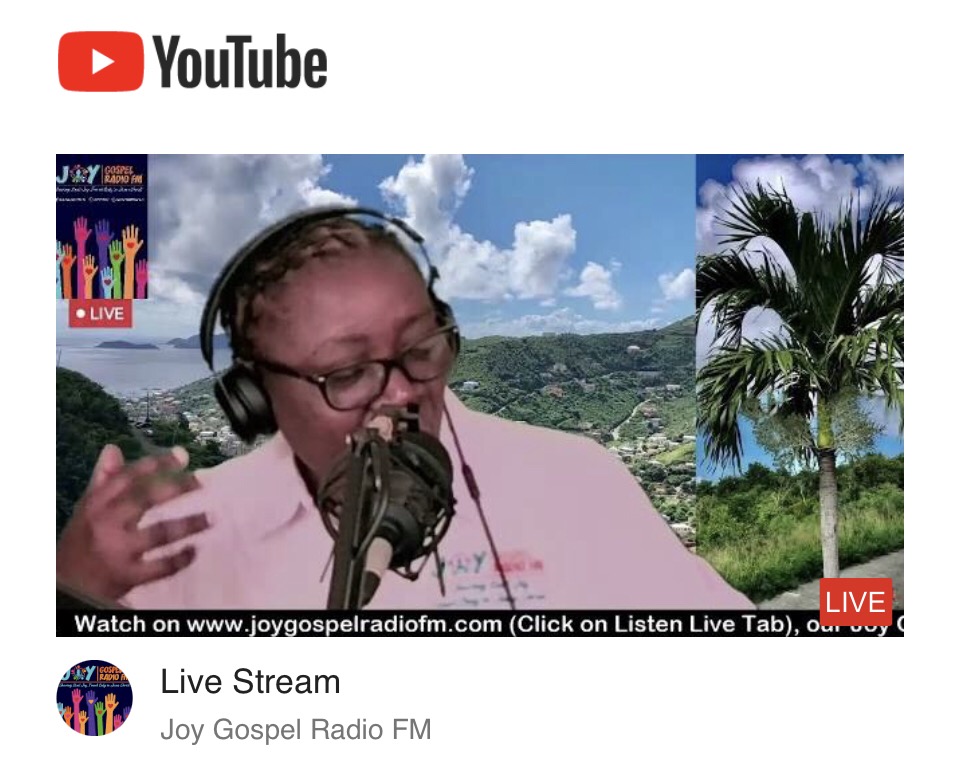
Click here for the full Live Empowerment Session: https://www.youtube.com/watch?v=Hj7TwMtrjAA&pp=0gcJCboZAYcqIYzv
Comments