
DAY 2 — Ask, Believe, Receive: Why Many Prayers Stop at Asking
How many of us have been taught that when we begin to pray, we ought to give God thanks first before we even ask for anything?
Philippians 4:6 (KJV) tells us: “Be careful for nothing; but in every thing by prayer and supplication with thanksgiving let your requests be made known unto God.”
How many of us know that sometimes, when we pray, we ought to just give God thanks without even asking for anything?
In Psalm 107:1 (KJV), we are told: “O give thanks unto the LORD, for he is good: for his mercy endureth for ever.”
Many believers get comfortable just asking God for things. We all know how to beg, or ask, or present requests. We know how to call on the name of the Lord.
But somewhere between asking and receiving, something often breaks down. The prayer is spoken, but the expectation fades. The request is made, but confidence wavers. And without realising it, faith stalls at the point of asking.
Jesus made it clear that prayer was meant to move forward, not stop midway.
In Matthew 7:7–8 (KJV), He says: “Ask, and it shall be given you; seek, and ye shall find; knock, and it shall be opened unto you: For every one that asketh receiveth; and he that seeketh findeth; and to him that knocketh it shall be opened.”
Notice the progression: ask, seek, knock. These are not passive actions. They reflect persistence, expectation, and confidence.
Yet many prayers never move past the first step because belief weakens after the words are spoken.
Jesus reinforces this again in Mark 11:24 (KJV): “Therefore I say unto you, What things soever ye desire, when ye pray, believe that ye receive them, and ye shall have them.”
The belief is not meant to come after the answer arrives. Jesus says believe when you pray. This is where many prayers stop; not because God refuses to answer, but because doubt interrupts faith.
So some may ask, why aren’t my prayers being answered? That’s your answer right there.
Scripture warns us about this clearly in James 1:6–7 (KJV): “But let him ask in faith, nothing wavering. For he that wavereth is like a wave of the sea driven with the wind and tossed. For let not that man think that he shall receive any thing of the Lord.”
So what are we saying here? Doubt does more than delay answers. It disrupts consistency.
Family, when we lack confidence, we pray less. We pray occasionally, yes, intensely, but for a moment. Then we retreat into uncertainty.
We see this tension clearly in the life of Peter. When he stepped out of the boat to walk on water, he did something extraordinary. But when he shifted his focus, faith faltered.
Matthew 14:29–30 (KJV) says: “And he said, Come. And when Peter was come down out of the ship, he walked on the water, to go to Jesus. But when he saw the wind boisterous, he was afraid; and beginning to sink, he cried, saying, Lord, save me.”
Peter asked boldly. He moved initially in faith. But fear caused him to doubt what Jesus had already empowered him to do.
Jesus responded in Matthew 14:31 (KJV): “And immediately Jesus stretched forth his hand, and caught him, and said unto him, O thou of little faith, wherefore didst thou doubt?”
The issue was not the request. The issue was confidence in what had already been spoken by Jesus. This is often where our prayers resemble Peter’s: At first, we trust God, but when pressure increases, when circumstances seem overwhelming, we become afraid.
In contrast, we see a different posture in the Shunammite woman. She did not panic when her son died. She did not rehearse despair. She acted from confidence, not confusion.
In 2 Kings 4:26 (KJV), when asked if all was well, she replied: “It is well.”
That statement was not a denial; it was faith anchored in what she believed about God. She did not beg for what she knew God was able to do. She moved with quiet confidence toward the source of help.
Her actions teach us that believing is not emotional; it is intentional. Faith does not mean we ignore reality; it means we refuse to let doubt dictate our response.
This is why confidence matters so deeply in prayer. Prayer without confidence becomes repetitive without expectation. Prayer with confidence becomes consistent because it is anchored in trust.
So, for example, we don’t keep asking God for forgiveness, because He already said Jesus has forgiven us and cleansed us from all sin.
1 John 1:7 (KJV) “But if we walk in the light, as he is in the light, we have fellowship one with another, and the blood of Jesus Christ his Son cleanseth us from all sin.”
Ephesians 1:7 (KJV) “In whom we have redemption through his blood, the forgiveness of sins, according to the riches of his grace.”
So, instead of asking for what we have already received, we thank God for the gift of His forgiveness, and we walk in that forgiveness. Amen?! I got that as I attended a conference over the weekend, and it is still sinking in. God is so good!
But you say, but the Bible says in Romans 3:23 (KJV), all have sinned and come short of the glory of God,
Yes, but catch this: When we sin, we don’t ask God to re-forgive us, because forgiveness was already secured through Jesus. What we do ask for is restoration, cleansing of our conscience, and help to turn away from the sin.
The Apostle John reminds us in 1 John 5:14 (KJV): “And this is the confidence that we have in him, that, if we ask any thing according to his will, he heareth us.”
Confidence grows when we understand that God hears us, and that hearing precedes receiving. When we believe God hears, we pray differently. We pray with expectation instead of hesitation.
To ask, believe, and receive means:
• We ask with alignment, not anxiety
• We believe with assurance, not fear
• We receive with gratitude, not surprise.
Consistency flows naturally when confidence is rooted in who God is, not in what we see. Faith does not need constant reassurance. It needs steady trust.
So today’s reminder is simple but powerful: asking is obedience, believing is faith, and receiving is trust in motion. When all three work together, prayer becomes a lifestyle, not a last resort.
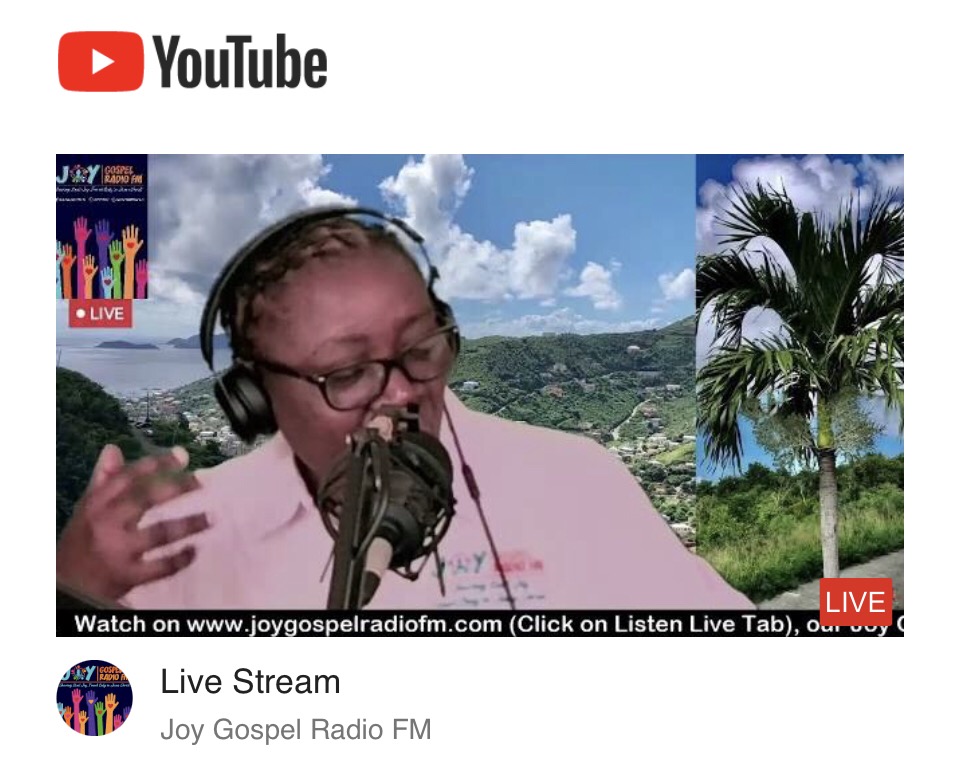
Click here for the full Live Empowerment Session: https://www.youtube.com/watch?v=SB9GB7q1qy0
Comments