
Day 4: Staying Full: Why Empty Places Become Dangerous Places | God Forbid. The Sin of Presumption
- Angela U Burns
- 17 hours ago
- 2 min read
Featured Bible Character: Nadab and Abihu — Leviticus 10:1-3
Scripture References: Zechariah 4:6-10; Leviticus 10:1-3
Two priests walked into God's presence with fire they made themselves instead of fire He provided. And the difference cost them everything. Today's question is simple: are you running on something God supplied, or something you generated to fill the gap?
Father, thank You for Your many blessings on this new day. Hold our Hands today Father, lest we fall. We don't want to depend on our own strength instead of Yours. Keep us continually dependent on You, not on substitutes. Fill what's empty in us with what's real. In Jesus' name, Amen.
Nadab and Abihu were priests, sons of Aaron, present for some of the most direct encounters with God's glory recorded in Scripture. And yet Leviticus describes their downfall in a single devastating sentence: they “offered strange fire before the LORD, which he commanded them not” (Leviticus 10:1).
Strange fire wasn't an attack on God, it was a substitute for Him. They brought their own flame into a place that already had one God had authorized, and the result was immediate: “there went out fire from the LORD, and devoured them, and they died before the LORD” (Leviticus 10:2).
It's worth asking why this mattered so much. The fire on the altar wasn't meant to be reignited by human effort. It was meant to keep burning continually, sustained, not manufactured.
Nadab and Abihu's failure was a failure of dependence. Somewhere along the way, they stopped waiting on what God supplied and started producing their own version of it, close enough to look right, foreign enough to be fatal.
That's the exact danger Zechariah addresses centuries later, but from the opposite angle — not substitution, but supply.
The prophet sees a lampstand with bowls of oil flowing continually from two olive trees, never needing to be manually refilled. The message attached to it is one of the most quoted lines in Scripture, and one of the most ignored in practice: “Not by might, nor by power, but by my spirit, saith the LORD of hosts” (Zechariah 4:6).
The lamp stayed lit because the supply never stopped, but not because anyone worked harder to keep it burning.
And here's where these two stories meet.
Empty places become dangerous places not just because something is missing, but because something will rush in to fill the gap. And it's seldom neutral. It often gets filled with something else and that "something else" is often unhealthy or sinful.
When we're not continually supplied by God's Spirit, we don't usually stay empty for long.
We start producing our own substitute: self-generated effort dressed up as devotion, performance standing in for presence, busyness mistaken for fullness. It looks like fire. It just isn't God’s fire.
So the charge for us today, Family, is, don't just remove what's wrong and assume the work is done. An empty space, however clean, is still asking to be filled by something.
Let us stay connected to the actual supply — prayer, Scripture, worship, obedience — not the appearance of it. The goal is never to look like we're burning; it's to actually be filled with what only God can keep flowing.
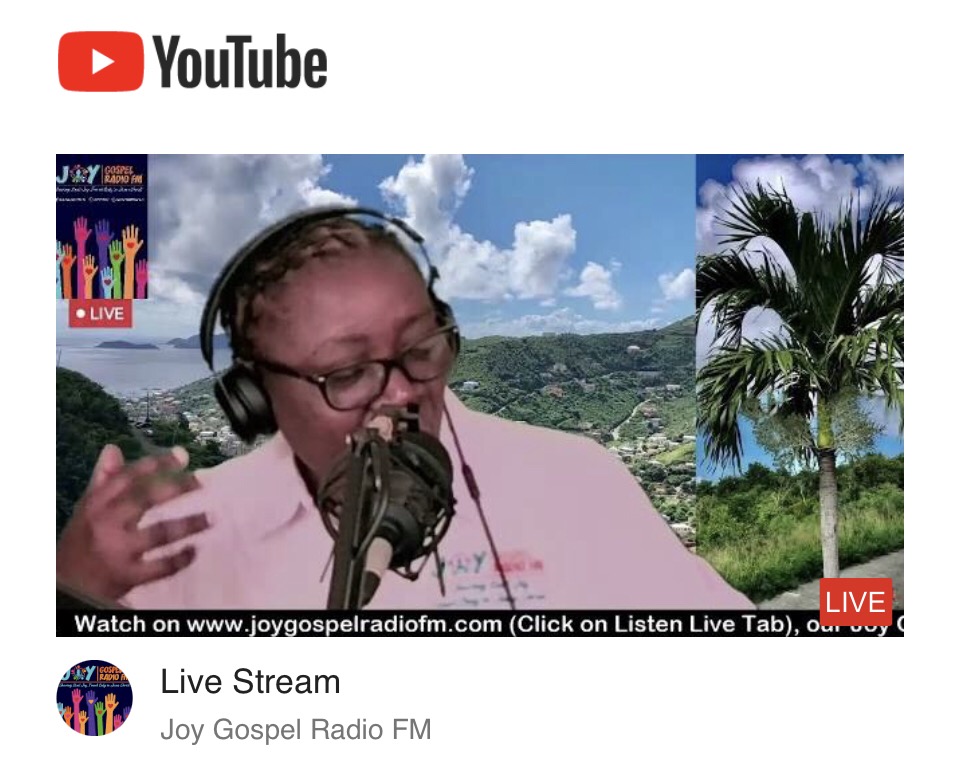
Click here for the full Live Empowerment Session: https://www.youtube.com/live/R1NSnL330DM?si=dbYztKEx4QDDpRQT
Comments